
Introduction: The Art and Allure of Poker
Poker is more than just a card game—it’s a sophisticated blend of mathematics, psychology, timing, and instinct. With origins stretching back centuries and a cultural impact that spans continents, poker has evolved from smoky saloons and underground rooms into a globally celebrated competition of intellect and nerve. Whether played around a family table, in the velvet halls of Monte Carlo, or in high-stakes tournaments broadcast worldwide, poker endures as one of the most compelling and nuanced games ever created.
Historical Roots: A Game with Global Origins
Though poker is widely associated with the American frontier and the glitter of Las Vegas, its roots can be traced to a blend of games from various cultures. Elements of poker echo the Persian game As-Nas, the French game Poque, and the German game Pochen—all of which involved bluffing and betting. In the 19th century, poker found fertile ground on Mississippi riverboats and Western saloons, where it grew into an American pastime.
As the game matured, variations like Texas Hold’em and Omaha brought depth and structure. The 1970s saw the birth of the World Series of Poker (WSOP), solidifying poker’s place as a legitimate sport. The rise of online poker in the early 2000s catapulted the game into a digital renaissance, introducing it to millions around the world.
The Poker Table: Where Strategy Meets Psychology
What makes poker uniquely compelling is the interplay between skill and psychology. Unlike many casino games, poker isn’t played against the house but against other players. This dynamic fosters a mental battlefield in which reading opponents, managing risk, and timing decisions matter as much—if not more—than the cards themselves.
Core Elements of Poker Strategy
-
Starting Hand Selection: Knowing which hands to play—and which to fold—is the foundation of long-term success.
-
Positional Awareness: Being “in position” allows players to act after their opponents, providing crucial informational advantages.
-
Bet Sizing and Pot Control: How much to bet and when to raise or check are central to both maximizing value and minimizing losses.
-
Bluffing and Deception: A well-timed bluff can win a hand without the best cards. But bluff too often, and opponents will catch on.
-
Reading Tells: Observing body language, betting patterns, and timing can offer insights into an opponent’s hand strength.
Poker players must simultaneously process numerical odds, manage emotional discipline, and anticipate their opponents’ actions. It’s a mental exercise that rewards patience, courage, and a deep understanding of human behavior.
Poker Variants: A Diverse Universe of Gameplay
While Texas Hold’em dominates both live and online arenas, poker boasts a diverse family of variants, each with unique rules and appeal.
Popular Poker Variants
-
Texas Hold’em: The most famous and widely played version. Players receive two private cards and share five community cards.
-
Omaha: Similar to Hold’em but players receive four private cards and must use exactly two in combination with three community cards.
-
Seven Card Stud: Players receive seven cards (some face-down, some face-up) with no community cards. Strategy hinges heavily on memory and observation.
-
Razz: A lowball game where the lowest five-card hand wins—turning conventional hand strength on its head.
-
Draw Poker: Players have the opportunity to improve their hand by exchanging cards. This old-school variant is rich in bluffing.
Each version of poker demands a different skill set, offering variety and ongoing challenge even for seasoned players.
Poker as a Mind Sport: Mental Toughness and Emotional Control
Beyond strategy, poker is a game of temperament. Emotional control—commonly known as “tilt management”—is essential. Losing a big pot can be frustrating; a streak of bad cards can be demoralizing. But great players rise above variance and remain focused.
Attributes of Successful Poker Players
-
Emotional Resilience: Weathering both wins and losses with composure.
-
Analytical Thinking: Using logic and data to inform decisions.
-
Adaptability: Adjusting strategies based on table dynamics and opponent tendencies.
-
Discipline: Avoiding reckless plays and knowing when to walk away.
-
Focus and Stamina: Maintaining attention and mental clarity over long sessions.
Poker teaches lessons that transcend the felt. It fosters decision-making under pressure, strategic thinking, and self-awareness—skills applicable far beyond the game.
The Modern Poker Landscape: From Casinos to Online Platforms
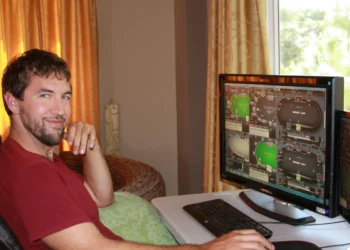
Today, poker thrives in both physical and digital arenas. Traditional casinos continue to host world-class events and cash games, but the rise of online platforms has revolutionized accessibility and innovation in the game.
Online Poker Highlights
-
24/7 Access: Players can find games at any time, at virtually any stake level.
-
Global Community: Compete against opponents from every corner of the world.
-
Learning Tools: Online databases, hand analyzers, and coaching services have elevated the standard of play.
-
Tournaments and Satellites: Online qualifiers allow amateur players to earn seats in prestigious live events.
Live poker, meanwhile, offers a tactile, personal experience that digital play can’t fully replicate. The presence of physical tells, table banter, and the visceral thrill of stacking chips creates an atmosphere that continues to draw enthusiasts to poker rooms everywhere.
Ethics and Responsibility in Poker
As with any form of gambling, poker carries risks. However, its strategic depth means that it rewards skill over the long term, making it less about pure luck than most casino games. Nonetheless, responsible play is essential.
Guidelines for Responsible Poker
-
Set a Budget: Always play within your means and never chase losses.
-
Know the Game: Understanding rules and strategies reduces impulsive or emotional decisions.
-
Take Breaks: Mental fatigue can cloud judgment. Step away when needed.
-
Avoid Problem Gambling: Be honest with yourself about your relationship with the game. Seek support if play becomes compulsive.
The poker community has made strides toward promoting mental health, responsible play, and ethical conduct, both online and offline.
Conclusion: A Timeless Game for the Modern Mind
Poker is a celebration of intellect, intuition, and interaction. It challenges players not only to outplay opponents but to understand themselves. Unlike many games of chance, poker offers a canvas for creative expression, strategic depth, and personal growth. It’s a game that rewards thoughtfulness, respects resilience, and demands both humility and courage.
Whether played for pennies with friends or for millions on the world stage, poker captivates because it is fundamentally human. It is a game of stories, emotions, and moments—where every hand is a fresh opportunity and every decision a reflection of who we are. In an age of fleeting trends, poker remains timeless—a true test of character and mind.